website watertownhistory.org
ebook History of Watertown, Wisconsin
Also part
of History of Watertown Fire Dept
Phoenix Fire Company
Organized 1876
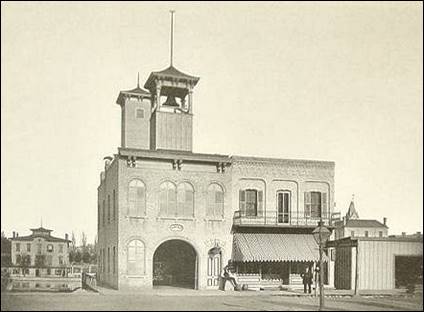
Phoenix Fire Co, No. 2,
1876
PHOENIX FIRE CO FORMED
Ever since the Phoenix Fire
Company was organized in 1876 and they moved into the new firehouse on the west
side, we knew those dumb Irishmen thought they were a better fire company than
we, the Pioneer Company, the original Watertown fire company was.
The Phoenix guys were always
bragging about how their pumper, a Silsby machine
using a rotary pump, could get up steam and throw water before our piston-pump
Ahrens. They always made of point of
letting the people know that the first one at the scene of a fire was the
Phoenix Company (many times they were not, but they said nothing about that),
and we, the Pioneer Company, being composed of fine, modest men, never bragged
about our expertise.
Charles Kerr, charter member, fire engine
driver.
07 05 PARTICIPATE IN THE CENTENNIAL FOURTH OF JULY
Proper tribute to the Centennial Fourth of July. The two fire companies with their beautiful
steamers, surmounted with brilliant floral decorations, made a splendid
display, and were greatly admired. The
Phoenix boys with their Silsby machine came out in
their new and beautiful uniforms for the first time, showing a fine appearance
by the side of their gaily dressed comrades of the Pioneer Company. WR
08 24 SITE FOR THE ENGINE HOUSE
Proceedings of a
regular meeting of the Board of Street Commissioners, held August 21, 1876 . .
. Motion by Com. Woodard; That the City Treasurer is hereby requested to loan
to the city general fund from the school fund, until January 1, next, the sum
of $310 for the purpose of purchasing a site for an engine house on the west
side of Rock river, and paying freight for the Silsby
fire engine. Motion carried. WD
1877
12 12 SITE FOR THE ENGINE HOUSE
The tower in course of
erection for the Silsby engine house in the Fourth
Ward [1] looms up and will soon be finished. WRep, 12 12
1877
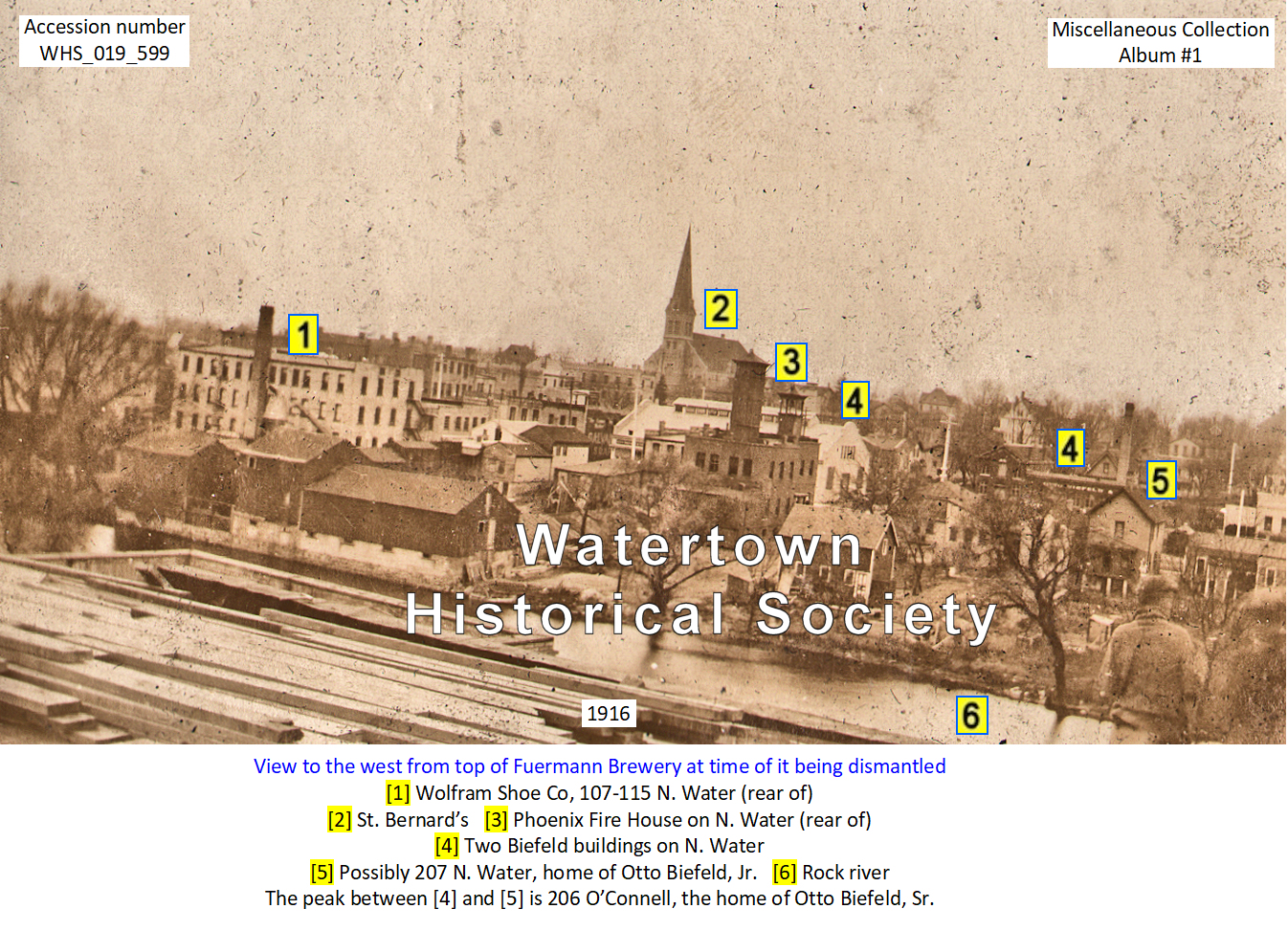
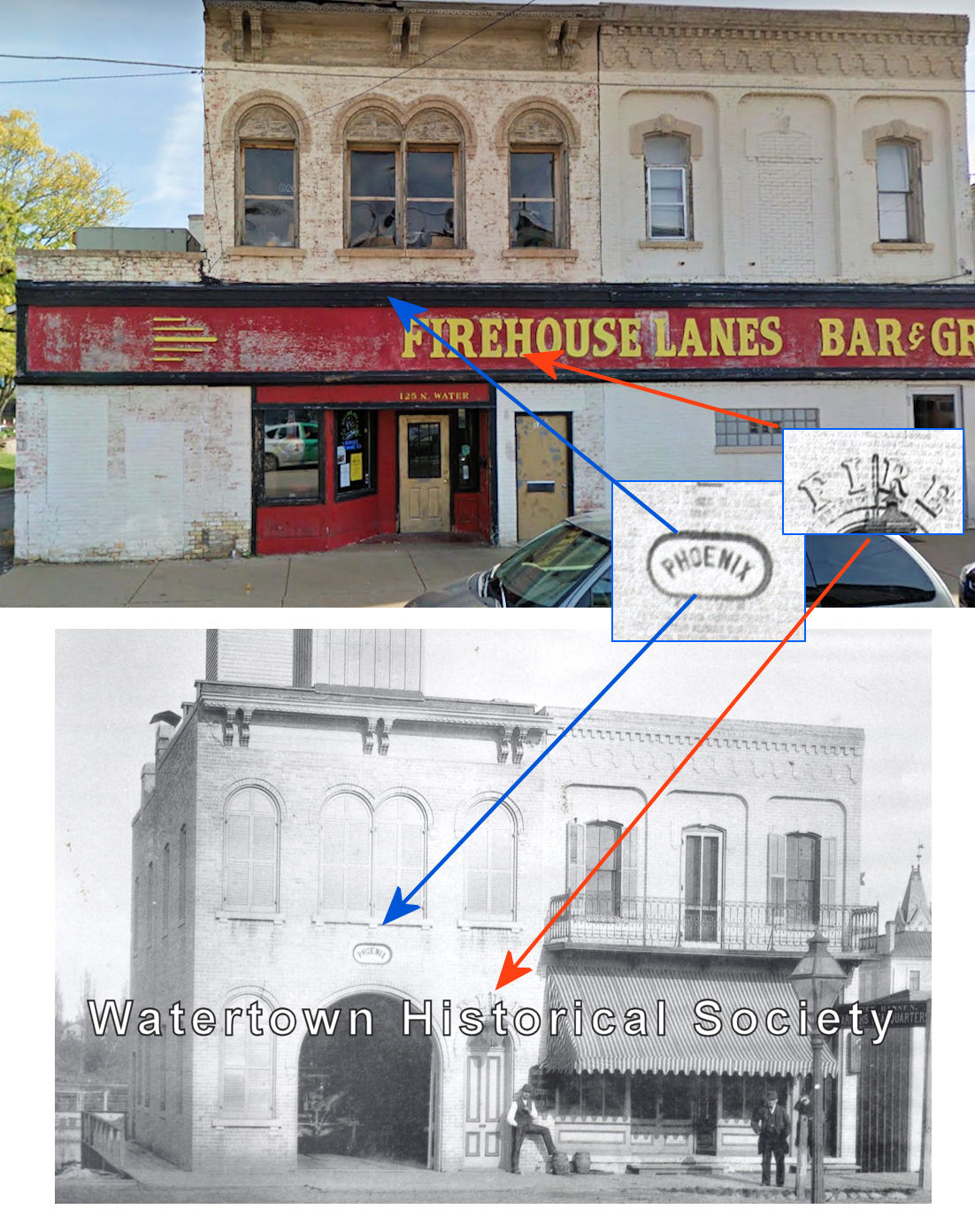
[1] The Phoenix fire house on North
Water. Same as Engine House No. 2
01 02 TOWER FOR ENGINE HOUSE
The Committee on Public
Buildings verbally reported that the tower to Engine House No. 2 was built and
finished in a good and workman-like manner (excepting the cistern which could
not be completed on account of superfluous water) and recommended that the
tower may now be allowed to be used by the Fire Department. Recommendation adopted. Whereupon Alderman Flinn moved that the Clerk
issue orders in the amount specified in the contract ($480) in favor of Squyres the contractor, excepting and retaining therefrom
the sum of 15.00 until the cistern shall have been completed to the
satisfaction of this Board. Motion
adopted.
02 20 THE PHOENIX OPENING AND
RECEPTION
The opening and reception by the members of the
Phoenix Fire Company last Saturday evening was a pleasant affair and called
together a large number of our citizens to inspect the
building and rooms of the Phoenix boys.
The building, from top to bottom, had been swept and
garnished and placed in the most home-like and neat
condition showing extra good taste in its arrangement. Of course, the Silsby,
under the magic hand of Charlie Straw was as bright as a dollar with everything
pertaining to her ready for service when required
The Company’s meeting room was a surprise to everyone;
its fine tasty appearance, its floor nicely carpeted and the walls decorated
with handsome pictures, principally representing scenes in the life of an
American Fireman not forgetting, however, the excellent crayon of Chief Marshal
Schulte from the pencil of J. B. Murphy, and a present to the
company from Straw & Murphy. The
Phoenix mastiff was on hand and enjoyed the thing equally with the other
members.
We were glad to see the
boys had the nucleus for a library on their table and we hope they will be able
to increase the number of their books until their collection becomes quite
large. Those having volumes to spare
could make good use of them by presenting them to the Phoenix library.
The Phoenix boys
were unremitting in their attention to their guests throughout the evening and
proved themselves to be gentlemen as well as prompt, efficient and gallant
firemen when duty calls.
07 09 THE PHOENIX BOYS AND
THE FOURTH
Engine room in apple pie
order
A most interesting and pleasant feature connected with
the observance of the
Fourth here was the splendid reception the boys of the
Phoenix Fire Company extended to their friends during the day.
In the undertaking of course the boys had the
cooperation and assistance of their lady friends, and to the presence and good
offices of the fair ones no doubt can be attributed no little share of the
success that attended it.
The Silsby engine, always
beautiful, this time shown with additional luster and splendor, and was
tastefully decorated with handsome floral trimmings. Everything in the engine room was in apple
pie order indicating the services of good housekeepers about the premises.
But upstairs in the meeting room the climax was capped
and the zenith of one’s idea of perfection reached, for here was the eye
captivated with furniture, pictures, fixtures and
adornments fitted for a parlor, while the sumptuously spread board
of dainty edibles, with a profuse accompaniment of lemonade, was truly a sight
for the beholder and sufficient to arouse within every breast a most inspiring
feeling of patriotic ardor.
The Phoenix
boys and their helpmates were adequate to the occasion and spared no pains to
make it pleasant for all their callers whom It may well be judged were not few
nor far between. This affair was
certainly a very happy event of the day and those who were fortunate enough to
attend the Phoenix boys reception on the Fourth of July, 1879, will have reason
to long remember it. The Watertown Republican, 09 Jul 1879
c.1880
PHOENIX
ENGINE HOUSE, 125 North
Water
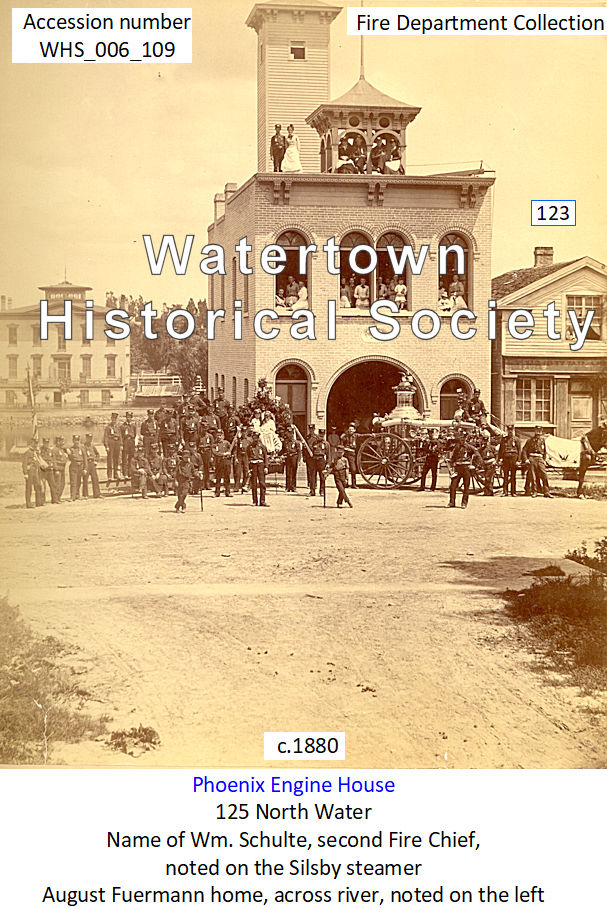
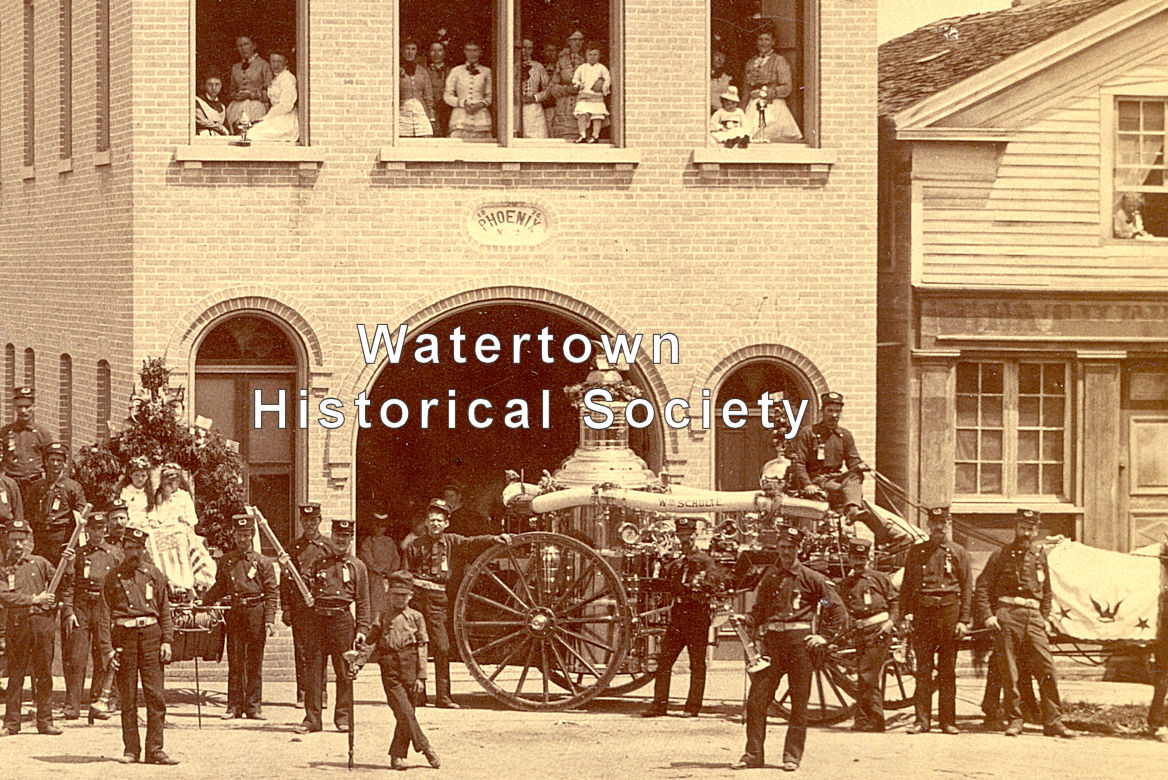
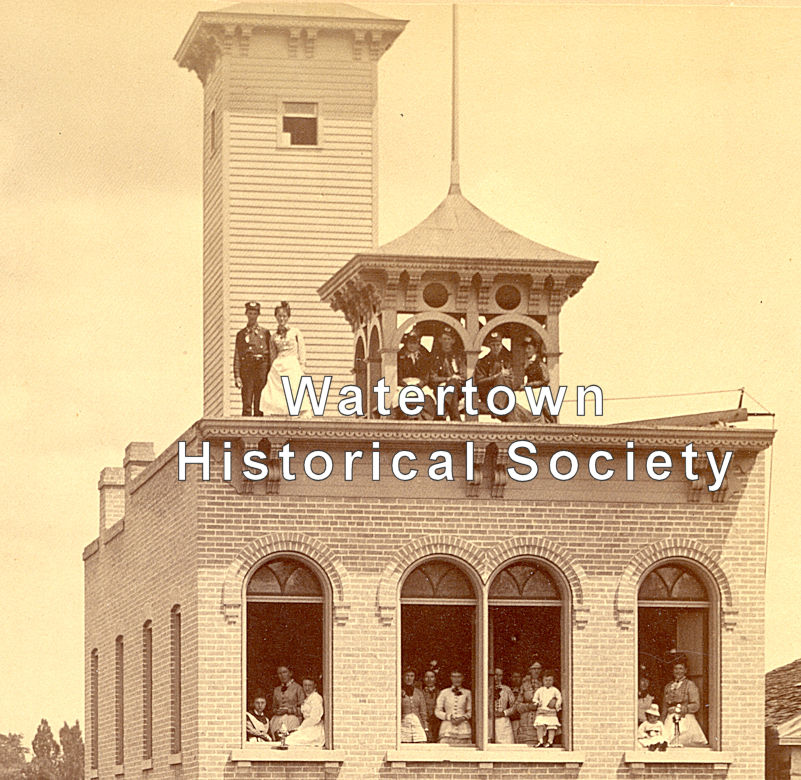
Name
of Wm. Schulte, second Fire Chief, noted on the Silsby
steamer
1887 PORTAGE FIRE CO
But even with the intense rivalry
between us, we never allowed that to interfere with our work and when the State
Firemen’s Tournament took place in Watertown, we cooperated wonderfully,
functioning, usually, as one team. In
fact, all the fire companies participating got along beautifully; all except
those backwoods rubes from Portage.
They were especially obnoxious
during that tournament in 1887. Their
newspaper, the Portage Daily Register
was made available to us and we laughed among ourselves when we read the
excuses the Portage paper offered for their “fire laddies”
not doing better in the contests, especially one of the first contests in which
Portage came in fourth. Although other
contestants protested vigorously about the officiating, protested almost to the
point of fisticuffs, the “Silsby boys” (as the
Portage paper referred to their fire company), the Portage laddies,
according to the Daily Register,
“displayed gentlemanly behavior, as was their nature.” There was, the newspaper reported, not a more
polite, congenial, cooperative group than those Portage boys.
When a rung on their ladder broke
during a hook and ladder contest, and they came in fourth, being bested by Fort
Atkinson, they were reported to have been the very essence of good sportsmanship. They “did not a word of kicking”. A nicer group could not be found. But, the Daily
Register said, it should be noted that the Portage boys would have done
better in all contests had they worn “gauze shirts, canvas shoes and other
light-weight clothing as the competition did.”
They were clearly the most deserving of any group in the
tournament. Had trophies been awarded
for niceness, gentlemanliness, civility and/or similar traits, clearly, the
boys from Portage would have won them all.
It literally made us sick to read about them.
1888 ROUGH & READY
MILL FIRE
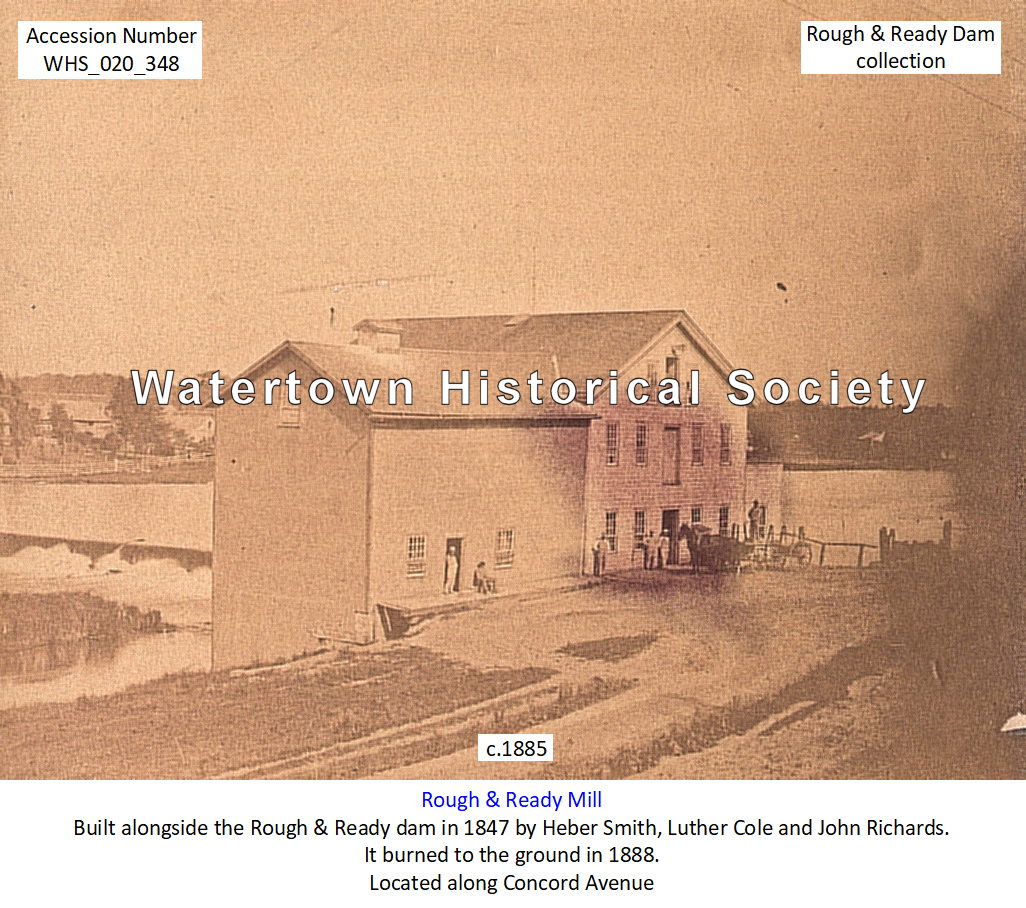
Built
alongside the Rough & Ready dam in 1847 by Heber Smith, Luther Cole and John Richards.
It burned to the ground in 1888.
[article] Everything went along
smoothly until about noon the first day when we found ourselves in an
embarrassing situation. At 11:30, in the midst of the contests and festivities, the fire alarm
was sounded indicating that the Rough & Ready Mill at the upper dam about
two miles from the tournament grounds, was on fire and needed help. Our Pioneer Company along with the Phoenix
Company immediately sprang to the rescue and rushed the Silsby
and Ahrens pumpers to the blazing mill, and proceeded
to pump water on the blazing wood -- I should say we tried to pump water. Almost immediately the leather hose on one
pumper burst and then the hose on the other pumper burst leaving the Watertown
boys standing there helplessly watching the fire consume the mill,
and hearing the caustic comments of our fellow-firemen. The Beaver Dam hook and ladder company, which
had responded to the alarm with their equipment, set up their pumper and
rendered a great service in saving adjoining property. It was all highly embarrassing for us. Those leather hoses were known for their propensity
to burst at critical times; why couldn’t they have waited for just one more
fire?
And did the boys from Portage
gather around the Watertown boys, slap them knowingly on their backs while
uttering words of help or at least condolences?
Not on your life! Instead, those
peace-loving, uncomplaining Portage boys, not wanting to cause any trouble, not
kicking about anything, loudly offered the observation that, on their arrival
at the site of the fire, only the third floor was ablaze
and it was because of ill-directed work and poorly maintained equipment that
the mill was a total loss. They let it
be known that with their fire chief and their single steamer they could have
“discounted the two Watertown squirt-guns and the whole department”. Rather harsh words, to be sure, but
well-meant because they were, as the Portage paper had pointed out,
peace-loving, congenial men, not prone to kicking or taking part in any
“rumpus”.
When the day was over and we had
a chance to reflect on the day’s happenings, we found it difficult to forget
the cutting remarks and behavior of the Portage crews. We tried to put the memories behind us and
concentrate on improving our performance based on what we had learned in the
course of the various contests, but it rankled to recall that we had
essentially been called incompetent, and our pumpers had been called squirt
guns, a epithet especially disconcerting since one of
their pumpers was a Silsby, almost identical to
ours. It was very disconcerting to
recall that they bragged that their single Silsby
pumper could have outperformed our two machines had the hoses not burst.
So it was with a great feeling of
satisfaction that the firemen as well as a great many citizens of Watertown
read in the Watertown Republican a
lengthy report of a fire which had destroyed the only flouring mill in
Portage. Every Watertown fireman as well
as many, many residents of our city read or had read to them, the paragraph
from the Portage Daily Register which
said:
Upon arriving on the scene of the
fire, the Silsby took water at the platform on the
river bank nearby, and was red hot -- prepared to pump
the Wisconsin River dry, if need be -- but there was a delay of half an hour
before the hose was gotten into position so that the stream of water could be
thrown. For some reason the Silsby boys did not turn out with their usual alacrity, and
as there were very few other men present because of the stinging cold, the hose
was not handled with customary rapidity and effect. This company has received severe censure from
the local newspaper for not turning out more men.
Although we couldn’t see them, in
our mind’s eye we firemen knew the entire population of Watertown was nodding
their collective head in agreement with the editor of the Watertown Republican who had entitled the above article: “Chickens Come Home
To Roost.” Written and contributed by Ben Feld.
1908
07 10 D. & H. Kusel
secured contract for placing the new roof on the Phoenix engine house. WG
1909
03 19 John Glaser, a member of the Phoenix
Fire Co. for over 20 years, elected Chief, Fire Department WG
1916
-- -- DISTANT VIEW
1918
-- -- MEMORIAL DAY PARADE PARTICIPANT
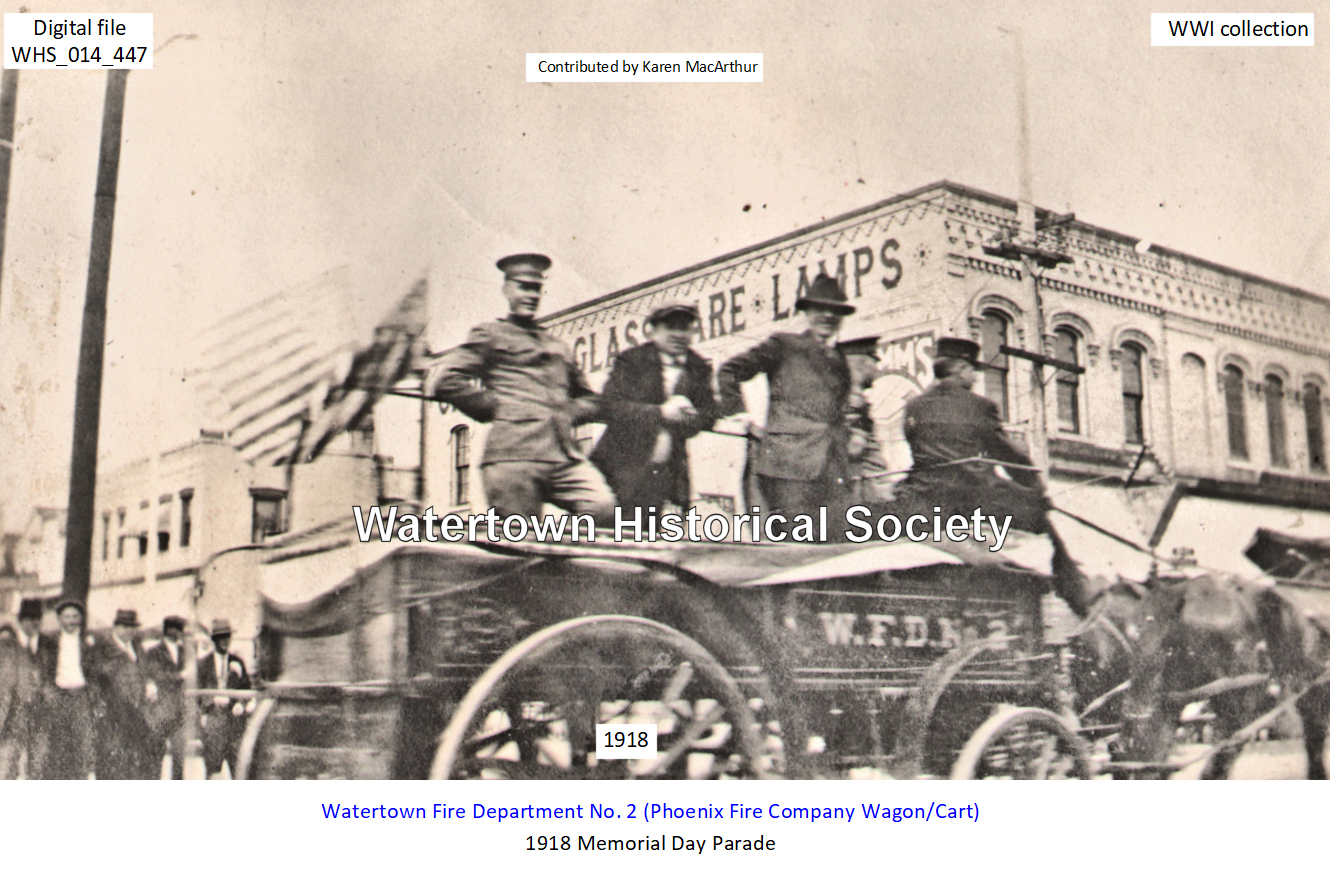 Fire Dept No. 2 (Phoenix Fire Co.
Wagon/Cart)
Fire Dept No. 2 (Phoenix Fire Co.
Wagon/Cart)
10 25 FELIX McLAUGHLIN,
FORMER FIRE CHIEF, CALLED BY DEATH
Well Known Mason and Former
President of Bricklayers and Masons Union Succumbs Today.
Felix McLaughlin, well known
brick mason and former president of the Bricklayers and Masons Union in
Watertown, died this morning following an illness of several months
duration in the family home, 301 Montgomery Street. Death was due to a complication of diseases
which resulted in the hardening of the arteries.
Felix McLaughlin was a son of the
late Mr. and Mrs. John McLaughlin, and was born in Watertown July 17,
1859. He was educated in the common
schools and when a young man learned the bricklayers trade, which he followed
all his life until stricken. For a
portion of the time he was engaged in contract
work. He was a former member of the
Bricklayers and Plasterers Union and served as president of that body.
He was also a member of the
old Phoenix Hose Cos. for many years and served as chief of the department, and
out of respect to his memory the flags on the engine houses were today
displayed at half-mast.
He also served as street
commissioner, and in all positions filled them acceptably.
He was a man of warm impulses,
generous, and possessed of a genial nature which made him many friends who
deeply deplore his death.
He was united in wedlock with
Lena Quentmeyer of this city, who preceded him in
death several years ago, and is survived by one son, R. F. McLaughlin, of this
city. Five brothers and two sisters also
survive: Frank, Watertown, John, Charles, Joseph and William, Milwaukee, Mrs.
Mary Griswold and Mrs. Lizzie Beaulieu, Chicago. Two grandchildren also survive.
NOTE:
Felix McLaughlin was Fire Chief from 1894-95 and again in 1897. Watertown Fire Department, 1857-2007, Watertown, Wisconsin – Ken Riedl
1940
06 01 FIRE BELL PLACED AT OCTAGON HOUSE; TOWER
IS MOVED
Permanent spot to be chosen soon
for city relic.
The city street department has
completed the removal of the bell tower from the top of the old West Side
engine house which was recently moved turned back to private owners in
accordance with an agreement made with the city at the time the property was
transferred to the municipality.
George Shephard, Street
Commissioner, said today the entire tower was removed at the base since it was
set up on top of the building as a separate unit when it was built.
The bell was recently given to
the Watertown Historical Society by the city council and will be placed on the
grounds of the Octagon House. The bell
weighs 1555 pounds.
The tower and bell have been
moved to the Octagon House but a permanent spot for setting it up is still to
be selected. WDTimes
NOTE:
The bell on the grounds of the Octagon is said to be from the old city
hall building on N. First Street.
2007
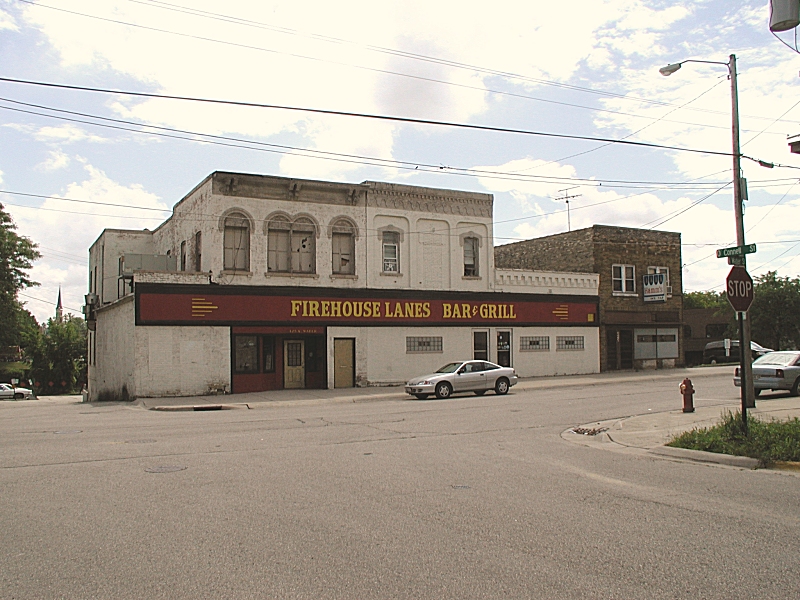
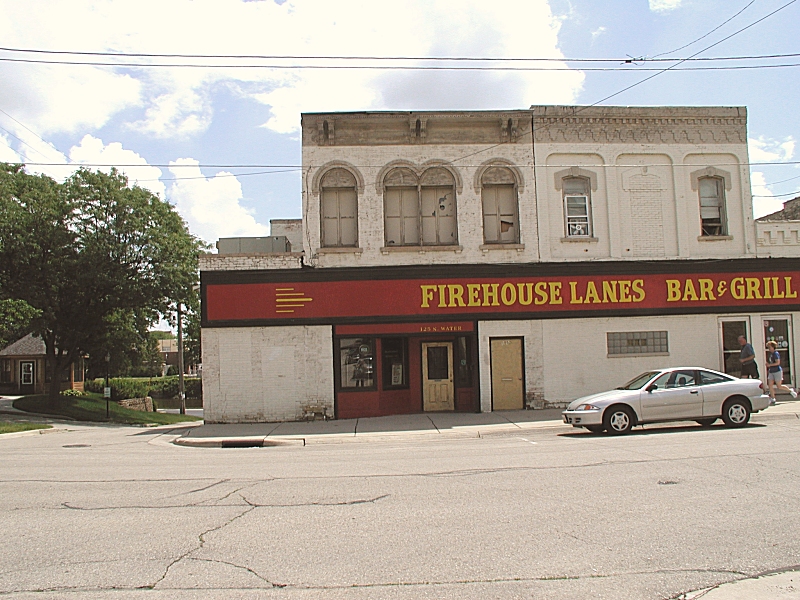
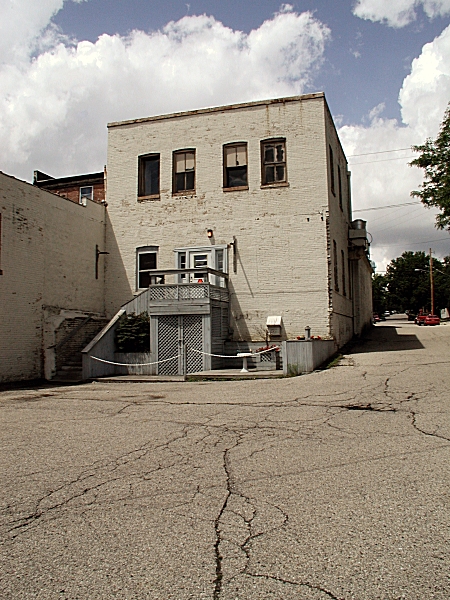
05 29 FIREHOUSE LANES BAR
& GRILL HAS BEEN SOLD
Firehouse Lanes has been sold to Watertown Investment and Redevelopment
Company, LLC (David Schroeder, president).
Randy and Gloria Kuckkan, owners of the
buildings and business, said they will continue to operate the bar and grill
into early 2019 before closing permanently.
However, they said the bowling side of the business will end this
summer, shortly after the closing. The
six lanes, pinsetters and other related equipment will be removed and sold and the bowling side of the business will permanently
close.
The group has also purchased the former Tom’s Tap at 121 N. Water
St. Tom’s Tap had not operated as a
business for several years and in recent years was used as housing only. The long term plan is to raze both buildings and have them
prepared for development when the right situation comes by.
The closing of Firehouse will bring an end over a century of
bowling at that location, and leaves the city with two bowling establishments,
Watertown Bowl 18, 102 W. Cady St., and Watertown Bowl North at 766 N. Church
St. Both businesses are owned by Diane
Mallow and family.
`
Early records indicate Firehouse Lanes originally became a bowling
alley over a century ago, in 1916, when it was formed by the Maertzke (Maerzke?) family and it has been in continuous operation since that
time. The Kuckkans
have owned the business since December of 1991 and then three years later they
purchased the real estate from Bob Krebsbach and
Jerry Dusso who had operated the lanes in the past.
2021
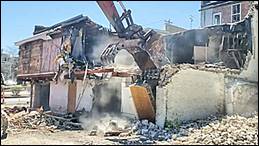
04 30 DEMOLITION OF
BUILDING
 <
< Link to
video clip
<
< Link to
video clip
___________________________________________
Cross References:
Letter from Ernst Wood, 1909
Charles
Cech, proprietor of tannery, dealer in leather, shoe-findings, hides,
pelts, etc., was a member of Pioneer
Fire Company, No. 1.
Jacob Kopp, member of
Watertown
Fire Department file
Contribution from Garden Guy:
The Phoenix Fire Company was before
my time, but I remember the station on Water Street. Used to go there and look
through the windows. It was like a
museum. The horse harnesses were
suspended on the ceiling and dropped on the horses when they hooked up on the
engines. They kept the horses down below
the station. I remember one of the
drivers, Bill Spear. Later he had a team
of horses for the sprinkling wagon to wash the streets. We used to go to the corner of Jones and
Dewey Avenue where he filled the tank from the fire hydrant. It always overflowed. There was a gas engine on the back of the
water wagon for pressure to the sprinklers. Sure
brings back memories.
Cross Reference: Drivers of
sprinklings taking water from hydrants . . .

History of Watertown,
Wisconsin